 Loading... Please wait...
Custom Boot Liners That Actually Fit
Posted by Titan Covers on 9th Jun 2026
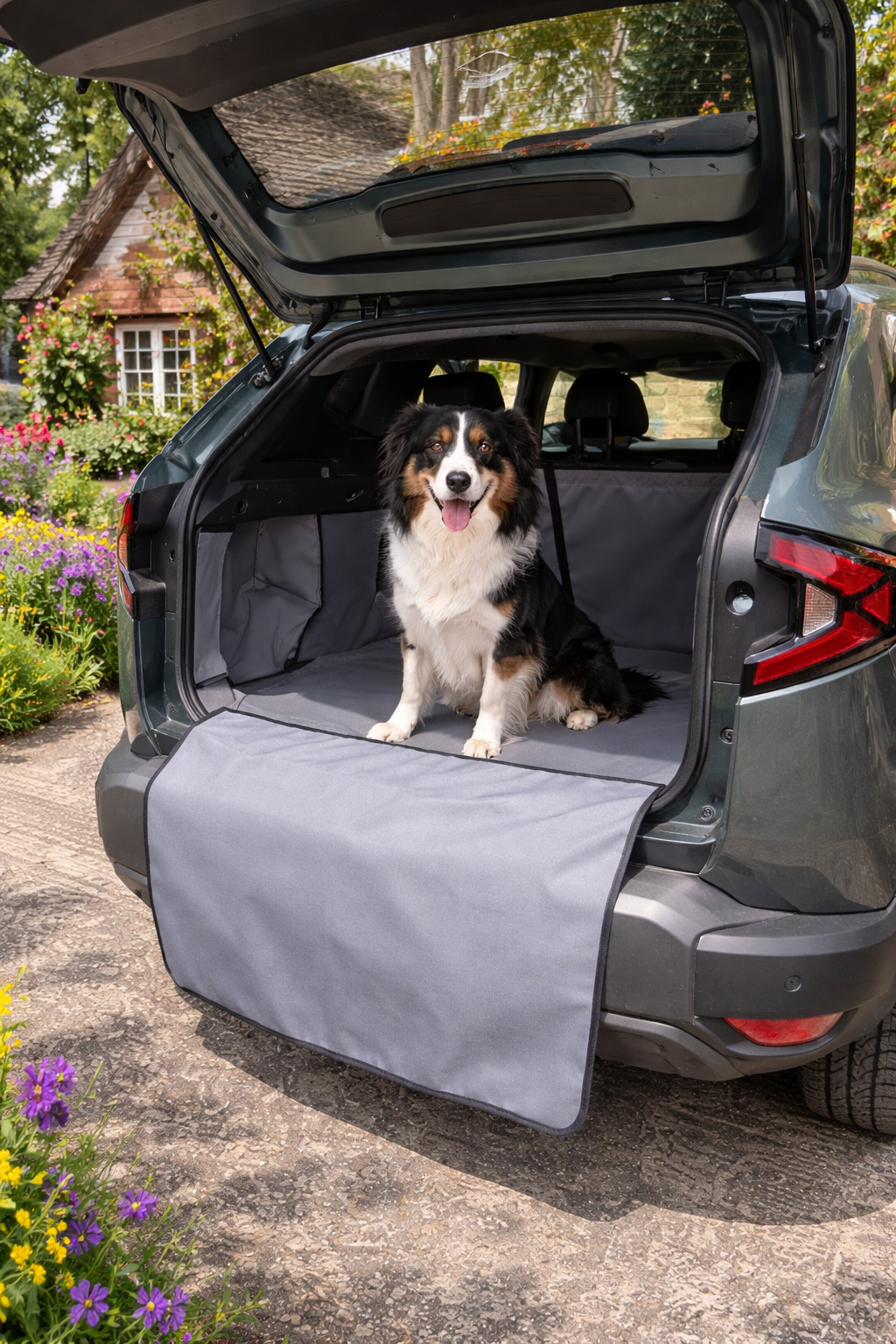
A boot takes more punishment than most parts of the car. One wet dog, a bag of compost, a muddy pushchair or a stack of tools is enough to leave damp patches, ground-in dirt and scratches that are awkward to shift later. That is why custom boot liners make sense for drivers who actually use their vehicle, not just look at it on the drive.
A proper liner is not there to make the boot look smarter. Its job is simple - protect the carpet, contain the mess and make clean-up quicker. If you regularly carry dogs, work kit, garden waste, sports gear or anything that drips, sheds or scuffs, a tailored liner earns its keep very quickly.
Why custom boot liners are worth it
The biggest difference between custom and universal liners is fit. A universal liner might cover the middle of the boot floor, but it usually leaves exposed edges, lifts at the corners or slides around once there is weight on it. That is where dirt and moisture get underneath, which defeats the point.
Custom boot liners are made around the shape of a specific make and model. That matters more than people think. Modern boots are rarely simple rectangles. They have wheel arch curves, loading lips, tie-down points, split-level floors and odd corners where debris collects. A liner cut for the actual vehicle sits flatter, covers more and stays where it should.
That close fit also helps when you are loading awkward items. If the liner bunches up every time a dog jumps in or a toolbox slides across it, it becomes a nuisance. A well-shaped boot liner feels like part of the car rather than an add-on.
What a good boot liner needs to handle
For most owners, the problem is not one big disaster. It is repeated everyday mess. Wet walking gear, loose straw, muddy wellies, shopping spills, pet hair and work materials all take their turn. Over time, that does more damage than one-off use.
A useful liner needs to deal with water, abrasion and regular cleaning. Waterproof material is the first requirement. If moisture soaks through, the carpet underneath can end up smelling damp and taking far longer to dry out. Hard-wearing construction matters just as much, especially if you carry tools, crates or heavier equipment that can drag and scuff.
It also needs to be easy to remove and wipe down. There is no real value in protection if cleaning it becomes a chore. Most drivers want something they can shake out, sponge off or hose down, then put straight back in the car.
Custom boot liners for dogs, work and family use
Different drivers abuse a boot in different ways, so the right liner depends on what you carry most often.
Dog owners usually need protection from a mix of mud, moisture, claws and hair. A flat carpeted boot floor can trap all of it. A waterproof liner makes a real difference after wet walks or regular transport, especially when the dog goes in and out several times a week. If you use a crate, the liner also helps reduce wear from movement underneath.
Tradespeople and commercial users tend to need more abrasion resistance. Buckets, cable reels, tool bags and loose materials put pressure on the same areas over and over. In that case, a proper fit is important because a shifting liner creates weak points. You want one that covers the load area properly and stays in place under repeated use.
Families often have a different kind of mess, but no less of it. Pushchairs, scooters, football boots, shopping bags and school kit can leave the boot looking tired surprisingly quickly. A fitted liner keeps the area usable without turning every clean-up into a full vacuum and scrub.
The fit question most buyers get wrong
A lot of people focus on material first and fit second. In practice, the fit often decides whether the liner will work long term.
A thick liner that leaves exposed carpet around the edges is still leaving the boot vulnerable. Likewise, one that catches on trim panels or folds over the loading lip will soon annoy you. If you are buying for a specific vehicle, details matter. Estate cars, hatchbacks, SUVs and 4x4s all have different load areas. Even within the same model, trim level or boot floor position can change the shape enough to affect the fit.
That is why make-and-model-specific compatibility is worth paying attention to. It removes guesswork. Instead of trimming a generic mat and hoping for the best, you are buying for the vehicle you actually own.
Waterproof protection is only useful if it stays practical
There is a balance to get right. Some boot protection is so rigid or bulky that it becomes awkward in day-to-day use. Others are too thin and light to cope with rough treatment. The best option usually sits in the middle - tough enough for regular abuse, flexible enough to remove and refit without hassle.
Think about how you use the boot week to week. If you constantly fold rear seats, access underfloor storage or swap between dog transport and family use, you need a liner that works with that routine. If your vehicle mostly carries tools and outdoor gear, toughness may matter more than quick removal.
There is no one-size-fits-all answer, and that is the point. The right liner is the one that suits both the shape of the vehicle and the kind of mess it sees.
Custom boot liners and resale value
Boot carpets age badly when they are neglected. Stains, ingrained hair, moisture marks and worn patches make the whole car feel harder used, even when the rest of the interior is tidy. That matters if you plan to sell, part-exchange or return a leased vehicle later on.
Protecting the load space from the start is usually cheaper and easier than trying to restore it later. Deep cleaning can improve things, but it rarely reverses wear completely. Once carpet backing is damaged or odours settle in, there is only so much you can do.
For owners who keep their car in active use, a boot liner is less about appearance on day one and more about preserving condition over time. It is basic protection, but practical protection usually pays off.
What to check before you buy
Start with the exact vehicle details. The more specific the fitment information, the better. You want a liner matched to the make, model and relevant boot configuration, not a broad claim that it fits dozens of cars.
Then look at material and finish. Waterproofing is essential, but so is durability. If the liner is likely to face dogs, tools or outdoor kit, choose something built for repeated use rather than occasional spills. It is also worth checking how easily it can be cleaned and whether it sits securely in the boot without curling or sliding.
If the product description focuses on fashion or looks over function, it is probably aimed at the wrong buyer. For heavy-use motoring, performance matters more than trim detail.
Why vehicle-specific protection works better long term
There is a reason tailored protection keeps outperforming generic alternatives. It does the job with less compromise. You get fuller coverage, less movement, easier use and fewer exposed areas where muck can gather.
For drivers with muddy dogs, wet kit, farm gear, fishing tackle, garden waste or trade tools, that is not a minor upgrade. It is the difference between a boot that stays manageable and one that is permanently half dirty. A product like this should not need constant adjusting or apologising for. It should fit, protect and get on with it.
That straightforward approach is exactly why custom-fit protection remains the better option for real-world use. Titan Covers builds around that principle - tough, waterproof protection designed for specific vehicles rather than vague universal claims.
If your boot is doing proper work, protect it with something made for the job. It will save time, reduce wear and keep the car easier to live with every single week.